
Loading dock trends were part of the conversation at the 2026 MHI Annual Conference, held September 27–30 in Palm Springs, California. Tri Lite joined more than 700 material handling and supply chain professionals for keynotes, educational sessions, and industry group meetings. Aron S. Ruben, Business Development & Account Manager, represented Tri Lite and MARS.
Across the sessions, one message was consistent: the material handling industry is moving toward smarter, more connected operations, and the loading dock is part of that shift.
Connected Loading Docks Start With Better Visibility
Conference speakers described warehouse automation, analytics, sensors, and AI moving out of pilot projects and into everyday operations.
For the dock, this means equipment is increasingly evaluated as part of a complete workflow rather than as a standalone product. Connected loading docks depend on a basic foundation: drivers, operators, and dock staff need to see and communicate clearly at the point where trailers meet the building. Dock visibility is the starting point for loading dock safety and efficiency.
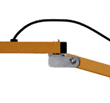
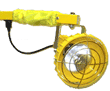
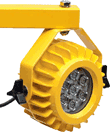
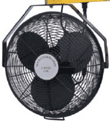
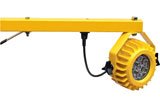
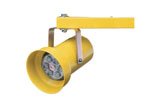
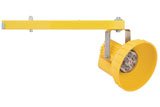
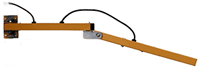
That is where Tri Lite focuses. Dock lights illuminate trailer interiors, guide lights help drivers position vehicles, warning lights alert people to dock activity, and Stop-Go communication systems give drivers and dock personnel clear, shared signals.
Six Takeaways for Material Handling Professionals
- Start with the problem. The best solutions begin with a clear understanding of the facility, the workflow, and the pain points, before any product is discussed.
- Specialization creates value. Deep expertise in a specific application helps suppliers solve real problems rather than offering generic answers.
- AI is becoming operational. Companies are moving from talking about AI to using it for research, planning, and daily workflows.
- Innovation requires iteration. Good ideas come from customers, employees, and partners, and they improve through feedback and refinement.
- Human-centered execution drives adoption. New technology delivers value when leaders set the direction, employees understand how to use it, and ongoing feedback helps teams adapt and improve.
- Collaboration strengthens results. Strong partnerships between manufacturers, suppliers, integrators, and customers help turn industry challenges into practical solutions that work in real-world operations.
What This Means for Your Dock
For facilities, these loading dock trends point to a practical checklist:
- Check visibility first. Poor lighting inside trailers and unclear dock signaling cause delays and safety risks.
- Make signals unmistakable. Consistent, easy-to-read signals reduce miscommunication between drivers and dock teams.
- Plan for the whole workflow. Choose dock equipment that works alongside your doors, levelers, and restraints.
- Consider operator comfort. Better lighting and clearer communication make the dock easier to work in over a full shift.
Tri Lite also continues to participate in MHI and its Loading Dock Equipment Manufacturers industry group, where manufacturers collaborate on dock-related topics. We’re glad to share what we learned with OEMs, integrators, dealers, and facility teams.
Talk to Tri Lite About Your Loading Dock
The 2026 MHI Annual Conference confirmed that the loading dock of the future will be more connected, more data-informed, and more focused on the people who use it. Tri Lite’s dock lights, guide lights, warning lights, and Stop-Go systems are designed around real operational needs.
Contact Tri Lite to discuss dock visibility and safety communication for your facility.